
Herbicide Environmental Impact Assessment Guide
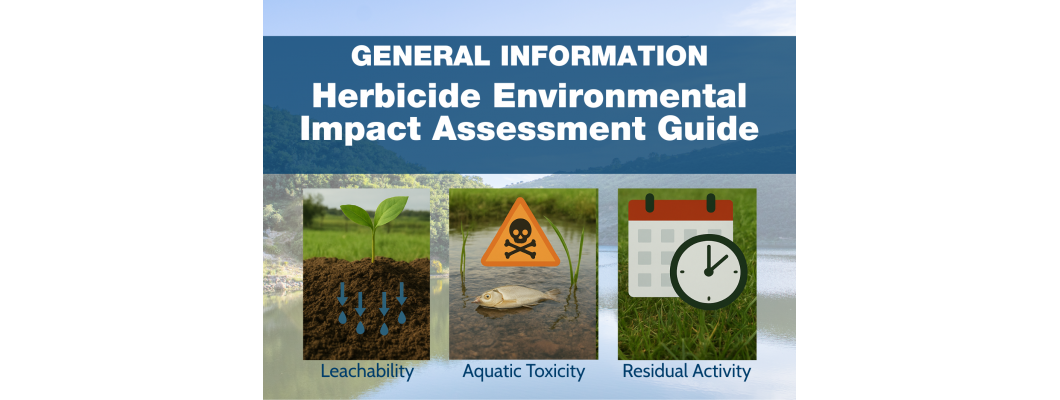
When selecting herbicides for agricultural or landscaping applications, understanding their environmental characteristics can help make informed decisions that balance effectiveness with ecological responsibility. This guide evaluates common herbicide products across three key environmental factors that determine their safety and suitability for different applications.
Key Environmental Factors
Leachability
Leachability measures a herbicide's ability to move through soil layers and potentially contaminate groundwater supplies. Products with low leachability remain localized near the application site, while those with high leachability can migrate through soil profiles, posing risks to water quality and non-target areas.
Toxicity to Aquatic Organisms
Toxicity to Aquatic Organisms assesses the potential harm herbicides can cause to fish, invertebrates, and other aquatic life in nearby water bodies. Classifications range from low to high toxicity, with higher ratings indicating greater risks to aquatic ecosystems and the need for increased precautions near water sources.
Residual Activity
Residual Activity indicates how long a herbicide remains active in the environment after application. This persistence affects both the duration of weed control and the potential for long-term environmental impact. Products with high residual activity provide extended control but may influence soil health and future planting decisions.
These environmental factors are particularly critical when working near waterways, as discussed on the Blog “Herbicides near Waterways”.
Herbicide Environmental Impact Comparison Table
The table below provides a comprehensive comparison of our common herbicide products based on their environmental characteristics. Use this reference to make informed decisions for your specific application needs.
| Product | Leachability | Toxicity to Aquatic Organisms | Residual Activity |
|---|---|---|---|
| Buckshot | Moderate to High | High | High (months to years) |
| Decision | Low | Low | Low (weeks) |
| Dicamba 500 SL | Highest | Moderate to High | Low (weeks) |
| GA200 | Moderate | Moderate | Low (weeks) |
| Glyphosate 360 | Moderate | Low | Low (days to weeks) |
| Glyphosate 540 | Moderate | Low | Low (days to weeks) |
| Granny Herbicide | Moderate | Low | Low (days to weeks) |
| GrassMate | Moderate | Moderate to High | Moderate (weeks to months) |
| Halox 100 EC | Low | Low | Low (weeks) |
| Lawnclean | Low to Moderate | High | Low (weeks) |
| MCPA 750 | Moderate | Moderate | Low (weeks) |
| MSF600 | Low | High | Moderate (weeks to months) |
| Ralid | Moderate | Moderate | Moderate (weeks to months) |
| Ranger Herbicide | Low | Low | Low (weeks) |
| TerbGuard 500 | High | High | High (months to years) |
| DoubleShot | Moderate to High | Moderate to High | Moderate to High (weeks to months) |
| Triclo Herbicide | Moderate | Moderate to High | Moderate (weeks to months) |
| WHACK - 2,4-D 800 | Moderate | Moderate | Low to Moderate (weeks) |
Important Disclosure: While some products mentioned above may have relatively low aquatic toxicity ratings, many still carry the Class 9 Aquatic Toxicity hazard symbol and pose risks to aquatic environments. Very few products are genuinely safe for use in or around waterways. For detailed guidance on water-safe herbicide use, please refer to the Blog “Herbicides near Waterways”.
Making Informed Decisions
Understanding these environmental impact factors helps applicators choose the most appropriate herbicide for their specific situation. Consider factors such as proximity to water sources, soil type, desired duration of weed control, and environmental sensitivity of the application area.
Always follow label instructions and local regulations when applying herbicides. When working near sensitive areas or water bodies, consult with environmental specialists and choose products with the lowest environmental impact that still meet your weed control needs.
Remember: Responsible herbicide selection and application protects both the effectiveness of your weed control program and the health of surrounding ecosystems.


Leave a Comment