
What is Willow Weed and How Do You Control It in NZ?
Botanical name: Persicaria maculosa | Also known as: Redshank, Lady's Thumb
Quick answer:
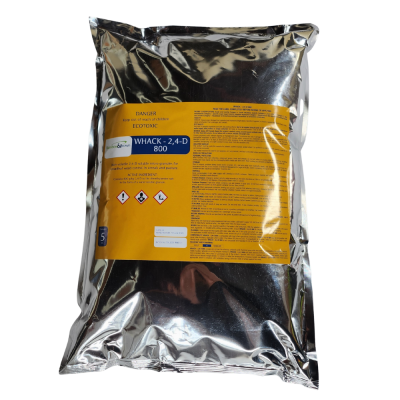
Willow weed (Persicaria maculosa) is a sprawling summer annual that germinates in spring and can smother young crops and pastures before dying off with the first frosts. It's found throughout New Zealand and spreads from both seed and stem fragments, so incomplete removal makes things worse. For pastures and crops, boom spraying with WHACK-2,4-D 800 at seedling stage (up to 4 leaves) gives excellent control.
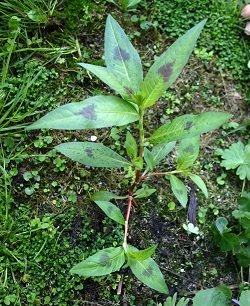
- Sword-shaped leaves up to 15 cm long, usually with a distinctive dark brown or black spot in the centre of the upper leaf surface
- Reproduces from both seed and stem fragments - every piece of broken stem left on the ground can regrow
- Best controlled at seedling stage (up to 4 leaves) with WHACK-2,4-D 800; spray while actively growing in good conditions
- Suspected of causing stock illness and death when consumed; keep animals out of treated areas until plants have fully died down
Willow weed is one of the most invasive spring and summer annual weeds in New Zealand. It thrives in moist, well-cultivated soil, which means it often turns up exactly where you don't want it: in newly sown pastures and spring crops.
What is Willow Weed?
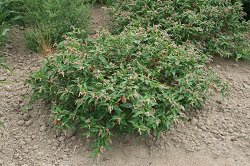
Willow weed is a low-growing summer annual with willow-shaped leaves, a distinctive dark leaf spot, and small pink flowers. It reproduces from seed and stem fragments, and can smother young crops and pastures if left unchecked. It belongs to the Polygonaceae (buckwheat) family - botanical name Persicaria maculosa, formerly Polygonum persicaria. Some farmers call it redshank, referring to the faint reddish tinge on the stems, though this colouring is much less pronounced than in water pepper, a closely related species.
The leaves are the giveaway: sword-shaped, up to 15 cm long and 4 cm wide, dark green, and usually marked with a distinctive dark brown or black irregular spot in the centre of the upper surface. At the base of each leaf is a papery sheath (called an ochrea) with a distinct fringe of hairs - a useful identification feature that distinguishes it from pale willow weed (Persicaria lapathifolia), which lacks both the leaf spot and the hairy fringe.
The stems are fleshy and may sprawl along the ground or grow more upright - up to around 40 cm tall - depending on competition. In open areas with little competition, willow weed sprawls and spreads laterally. In crops and established pastures, plants initially sprawl but develop a more erect habit as they compete for light.
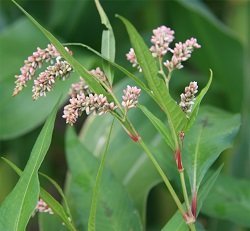
Flowers appear from mid-summer: small and pink, clustered into tight cylindrical spikes up to 4 cm long at the ends of stems. Water pepper flowers are similar but distinctly greener and grow in much looser, more open bunches - a reliable field distinction. Willow weed is killed by frosts. Fresh seedlings appear each spring from seeds that can remain viable in the soil for a long time.
Where Does Willow Weed Grow in NZ?
Willow weed is found throughout New Zealand, preferring cultivated, moist, well-aerated soil. It's most aggressive in areas where summers aren't too dry, but it causes problems in all regions.
- Found throughout New Zealand on farms, lifestyle blocks, market gardens, and horticultural blocks
- Especially troublesome in cultivated land: newly sown pastures, spring crops, and freshly worked soil
- Prefers moist, well-aerated soils; more aggressive in wetter regions but present across all of NZ
- Germinates and grows from spring through summer; dies off in late autumn with the first frosts
- Most problematic in spring, when young crops are most vulnerable to smothering
- Also found along drain banks, damp paddock margins, and disturbed areas
Does Willow Weed Harm Livestock?
Livestock risk: Willow weed is rarely grazed by stock under normal grazing conditions, but it is suspected of causing illness and death in livestock in both New Zealand and overseas.
The specific toxic component hasn't been conclusively identified, but the risk is sufficient to warrant caution. After spraying, willow weed may become more palatable to stock - keep animals away from treated areas until the plants have died down completely.
How Do I Remove Willow Weed Manually?
Manual removal is rarely practical at scale and must be thorough - willow weed regrows readily from even very small stem fragments, so incomplete removal spreads the problem rather than containing it. Collect every piece and remove it from the site. Don't compost it on site.
For isolated plants on lifestyle blocks or in gardens, careful hand removal works if done before seed set and if all plant material is collected and disposed of off-site. In crop and pasture situations, the weed's invasive nature generally makes boom spraying necessary.
Frosts will kill willow weed plants, but seeds in the soil survive winter and new seedlings appear each spring. A long-lived seedbank means complete eradication is likely to take several seasons of consistent management.
What Products Control Willow Weed?
For pastures and crops, boom spraying with WHACK-2,4-D 800 at seedling stage gives excellent results. Control is most reliable up to the 4-leaf stage - spray early, while the weed is actively growing in good conditions. Beyond that stage, control becomes unreliable even with good products.
Boom spraying (farms and contractors)
WHACK-2,4-D 800 2-3 kg/ha for seedlings. No damage to pasture grasses. Minimise clover impact by spraying when clover is dormant or after hard grazing. Apply no more than once per season. In crops, check label for crop growth stage restrictions.
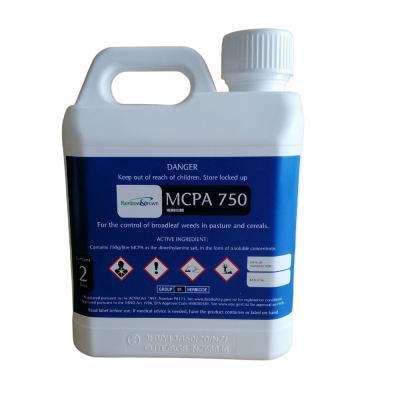
Dicamba 500 Select 100 ml + Rainbow & Brown MCPA750 260 ml per 100 L water per hectare. Will suppress clover temporarily.
Dicamba 500 Select 120-140 ml + WHACK-2,4-D 800 491 g per 100 L water per hectare. Will suppress clover temporarily.
PastureMate 4 L/ha in 200 L water. Clover-friendly alternative for pasture. Slow-acting - allow several weeks for full effect.
In crops, Dicamba 500 Select rates vary by crop type. Refer to the product leaflet for exact crop rates.
Spot spraying (lifestyle blocks and small areas)
WHACK-2,4-D 800 50 g per 10 L water for seedlings.
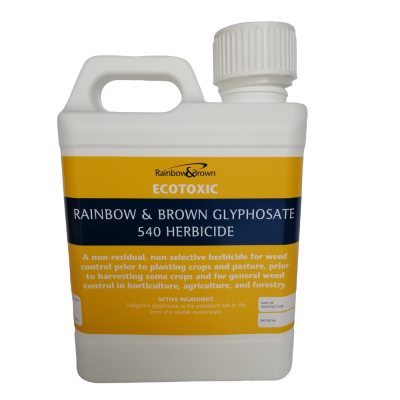
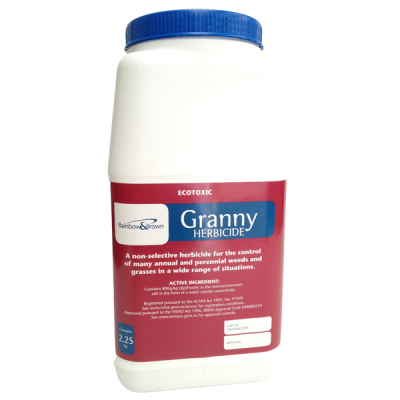
G-360 Glyphosate / G-540 Glyphosate / Granny Herbicide Apply at label rates. Effective spot spray but damages surrounding vegetation. Best used when spraying out a pasture entirely or in non-cropland situations.
Non-cropland
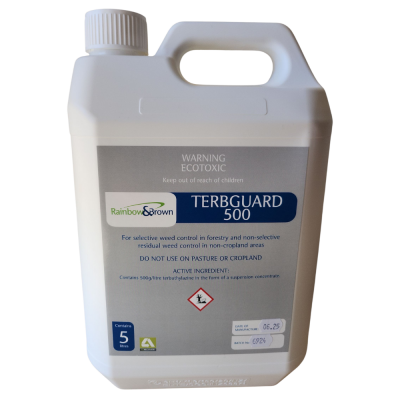
TerbGuard 500 15-19 L/ha in 150-300 L water. Add G-360 Glyphosate, G-540 Glyphosate, or Granny Herbicide at label rates to broaden the weed spectrum. Note: TerbGuard 500 is NOT registered for use on pasture or cropland. This restriction applies to TerbGuard 500 only - the glyphosate products are each suitable for pasture and cropland use on their own.
Cut stem / paste treatment
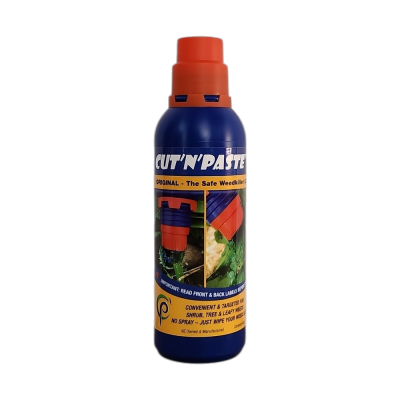
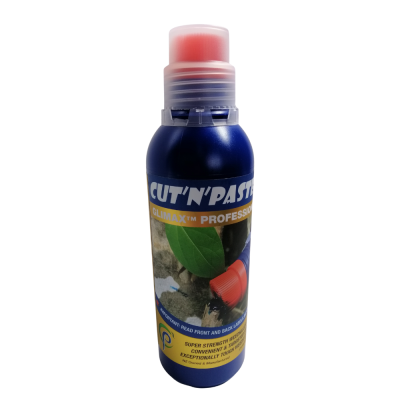
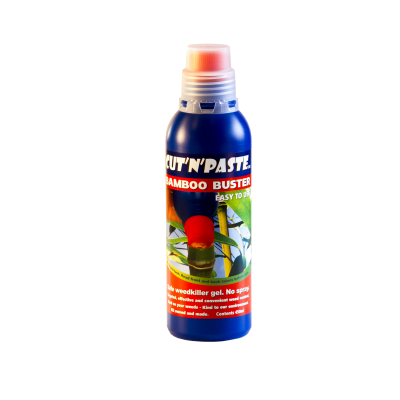
Cut'n'Paste Glimax Professional, Cut'n'Paste Bamboo Buster, or Cut'n'Paste Original - paste the underside of a few of the top leaves.
Common Mistakes
Mistake: Spraying too late - past the 4-leaf stage, when the weed is already well established. Better: Get in early. Young seedlings are much easier to kill and control is significantly more reliable.
Mistake: Incomplete manual removal - pulling plants and leaving stem fragments on the ground. Better: Collect and remove every piece from site. Even very small stem fragments can regrow and produce a new plant.
Mistake: Spraying stressed weeds or in cold, wet conditions. Better: Spray when the weed is actively growing in good conditions. Cold or waterlogged weeds take up herbicide poorly and results will be patchy.
Mistake: Assuming one spray season will clear the problem. Better: Plan for several seasons of management. Seeds remain viable in the soil for a long time and fresh seedlings will emerge each spring.
Quick Checklist
- Identify the weed correctly - check for the dark leaf spot and the hairy ochrea sheath at the leaf base
- Time your spray for the seedling stage - up to 4 leaves for best results
- Choose the right product for your situation (pasture, crop, or non-cropland)
- Check clover is dormant or hard-grazed before applying WHACK‑2,4‑D 800 or Dicamba 500 Select - both affect clover
- Apply in good growing conditions - not when weeds are stressed or weather is cold and wet
- Keep stock out of treated areas until plants have died down completely
- Monitor and follow up in subsequent springs - seeds in the soil will keep germinating
Next step: Check product pages for current prices and pack sizes: WHACK-2,4-D 800, PastureMate, G-360 Glyphosate.
FAQs
Is willow weed the same as redshank?
Yes, some farmers call willow weed "redshank" because of the faint reddish tinge on the stems. It's the same plant - Persicaria maculosa. Don't confuse it with water pepper (Persicaria hydropiper), which also has reddish stems but carries greener flowers in looser, more open bunches.
Can I compost willow weed after pulling it?
Not safely. Willow weed regrows readily from stem fragments, and seed heads can survive in a compost heap unless temperatures stay consistently very high. The safest option is to bag the plant material and dispose of it off-site, away from any soil.
Why is my spray not working on larger plants?
Willow weed is much easier to control at the seedling stage. Established plants past the 4-leaf stage are significantly harder to kill and control becomes unreliable even with good products. If the weed is already large, plan a follow-up spray next season targeting seedlings early in spring.
Is willow weed related to the willow tree?
No - they share a name because the leaves look similar, but they're completely unrelated. Willow weed is in the Polygonaceae (buckwheat) family, while willow trees belong to Salix species. There's also tall willow herb (Epilobium ciliatum) that many people confuse with willow weed - it grows more upright and has completely different flowers.
Further Reading
- Water Pepper Weed File - a closely related weed often found in the same damp pasture conditions, with greener flowers and looser flower clusters
- Fathen Weed File - another spring-germinating annual that thrives in cultivated soils and competes with crops in similar conditions
WILLOW WEED Weedkiller Recommendations