MOTH PLANT
Araujia hortorum
Download the PDF

DESCRIPTION
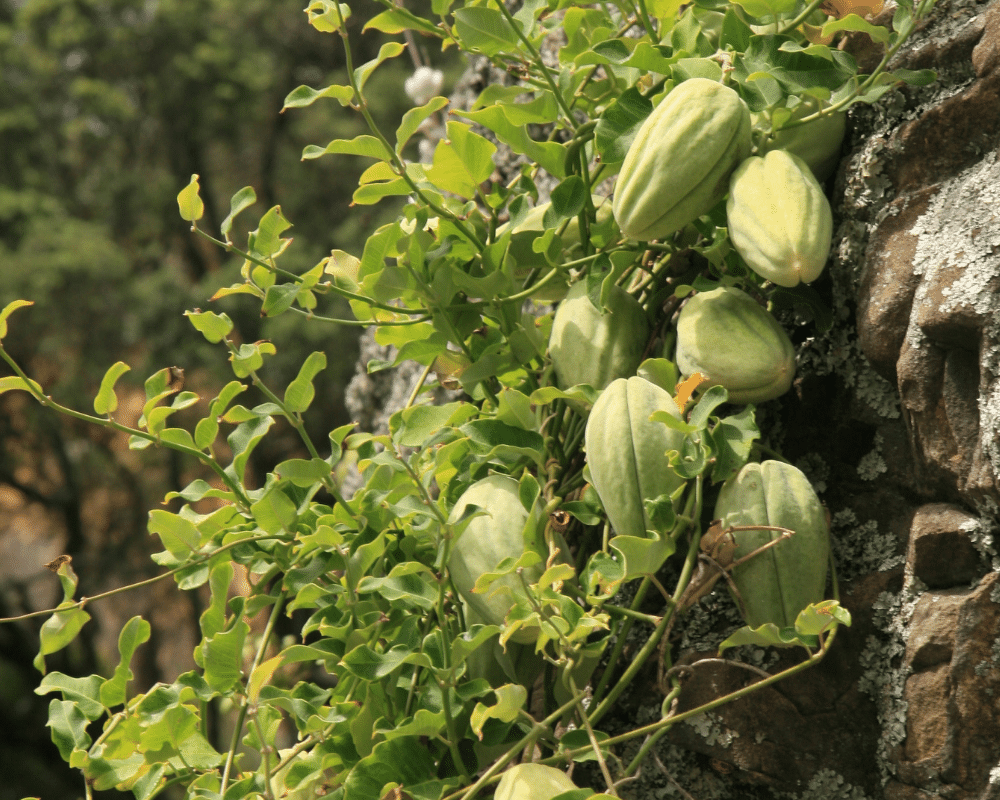
Originally from South America Moth plant is a fast-growing, perennial climbing vine with a milky sap that is poisonous and known to cause dermatitis and can sting skin and eyes.
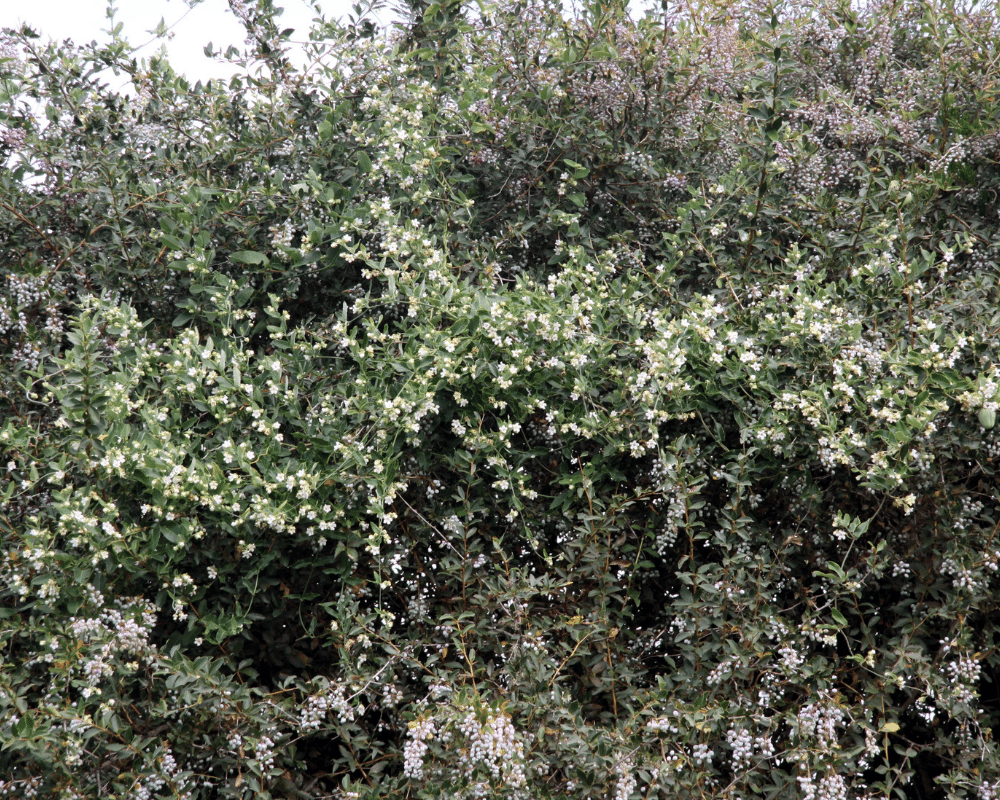
Butterflies, moths, and bees are attracted to its fragrant flowers and can become trapped in them. Flowers can be seen December to May and are white, pinkish in bud with five petals and are around 20-25mm in diameter.
The large, fleshy seed pods contain thousands of small black seeds on white cotton wool like fluff. This is why Moth plants is also called Kapok vine. When the pods open the seeds can drift some distance on the wind.
Leaves are smooth and dark green on top and a downy greyish-green underneath.
It is listed on the National Pest Plant Accord
HABITAT AND DISTRIBUTION
Although found mainly in the northern North Island it is slowly spreading and can be found in Whanganui and Marlborough.
Found mainly around trees, hedges, cliffs, stony banks, and general unkempt area.
PHYSICAL CONTROL OF MOTH PLANT
Dig of pull out and dispose of the seed pods to green waste or landfill. The seeds can remain viable for many years.
HERBICIDES TO CONTROL MOTH PLANT
Cut Stump Herbicides to Kill Moth Plant
To adequately control requires tracing back to the base stem
Spray or paint the freshly cut stump with:
Apply 2-4mm thick layer of
- Cut’n’Paste MetGel or
- Cut’n’Paste Picloram Gel to the freshly cut stump.
Spray Herbicides to Kill Moth Plant
Cut and pull vines away from desirable natives or trees before spraying. It is likely you will need 2-3 treatments a year until under control.
- MSF600 - 5g per 10L of water and add 10ml SprayWetter per 10L. MSF600 is low cost but is not grass friendly and has a slow kill time.
- GrassMate – 30ml/10L water plus 10ml SprayWetter per 10L
- A mix of 22.5g WHACK – 2,4-D 800 and 20ml Dicamba 500 Select per 10L of water plus 10ml SprayWetter per 10L per 250 square metres.
- G-540 GLYPHOSATE - 133ml/10L + MSF600 1.5G/10L plus 10ml SprayWetter.