Metsulfuron gel designed for plants with rhizomes or bulbs
Contains: 10g/L Metsulfuron-methyl in an effective gel
Targetted effective and convenient weed control designed for weeds that respond best to metsulfuron-methyl. Great also if you wish to avoid products containing glyphosate. Because of the way it is used it is extremely eco-friendly and is used regularly by the Department of Conservation and many councils. Because of how you use them these are quite environmentally friendly herbicides.
Similar or equivalent to:
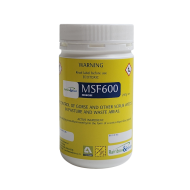
Rainbow & Brown MSF600 (1)- although this is designed to be sprayed and is 600g/L strength
Escort (2) - also designed to be sprayed and is not a gel
Mustang(3)- the same style of product designed to be sprayed
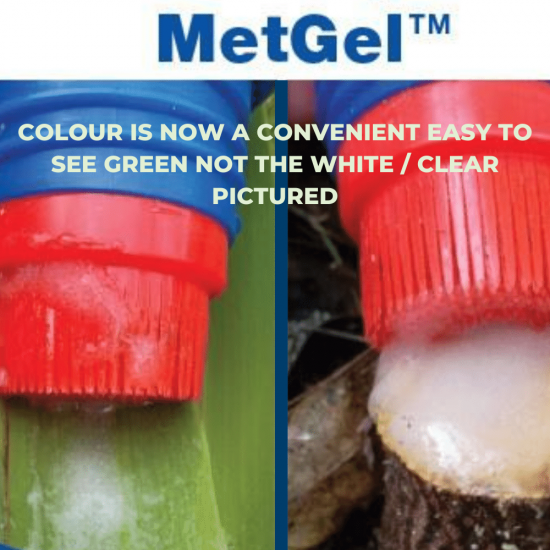
NOTE: METGEL IS NOW AN EASY TO SEE BRIGHT GREEN COLOUR SO YOU CAN EASILY SEE WHERE YOU HAVE BEEN AND IT IS EASY TO DIFFERENTIATE BETWEEN THE OTHER PRODUCTS IN THE RANGE.
Why Use Cut'n'Paste MetGel Weed Killing Gel?
As always, a stump paste that is Safe and Easy to use and a highly targeted way to deal to the weeds that respond best to metsulfuron. Great for those wanting to avoid glyphosate products.
Ready to use immediately
No mixing required
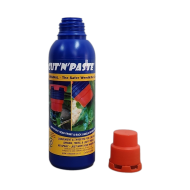
Convenient refillable application pack
Very little, if any, of this easy to use paste gets anywhere other than on the weed or plant you want to kill.
No spray, fumes or mist to be inhaled or to drift onto unintended plants
Directions for Use - Cut'n'Paste MetGel
For cut stem or stump
1. Cut the weed down near the ground.
2. Take your bottle of Cut'n'Paste MetGel, hold it upside down and gently squeeze a layer of MetGel metsulfuron-methyl gel onto the whole surface of the cut stem from the edge to the centre. The herbicide is drawn into the root system of the weed.
3. Leave it to die off - this can take a few months. Should any regrowth appear simply re-treat.
For the best effects paste the MetGel herbicide gel onto the cut stem or stump immediately after cutting.
For Use on leaves
1. Using a disposable glove hold the leaf in one hand exposing the underside of the leaf
2. Hold the bottle of Cut'n'Paste MetGel upside down, squeeze gently and brush the herbicide paste onto the underside of the leaf.
3. Leave it to die off. The mode of action of MetGel metsulfuron-methyl is such that the weed may take 3 -6 months to die off but it won't continue growing in that time.
Weeds Controlled by Cut'n'Paste MetGel
MetGel is ideal for Chinese privet, Buckthorn, Wild ginger, arum lillies, agapanthus, gorse, broom, and other plants that respond well to metsulfuron. MetGel can be used for weed control either as a stump paste or wiped onto the underside of leaves of leafy weeds. Plant treatment with leaf paste can take 6 months to begin to die off. Plants that are stump treated should not regrow. MetGel is ineffective on solanaceae species such as tobacco weed and datura.
Handling and Precautions
Metsulfuron can travel through the soil in water columns affecting non-target plants and care you are advised to take care not to spill or drop gel on the ground when used anywhere near watercourses.
MetGel is recommended for professional weed control operatives. Metsulfuron will spread through the entire plant to roots. Metsulfuron can leave a very active residue in the soil, apply with care as the gel works at very low rates.
Refer to our Safety Datasheet (SDS) and Label information that can be found on the tabs in this listing.
Common Questions about Cut'n'Paste MetGel
How long does it take for the gel to be absorbed into the cut stem?
It depends on the time and the weather. When it is warm and sunny the Cut'n'Paste MetGel gets absorbed in up to 4 hours. When it is a bit cooler or the weeds are in damp or sheltered conditions then it can take a few days.
What time of year can it be used?
In New Zealand you can apply the gel at any time but the effectiveness of Cut'n'Paste MetGel might be reduced a bit in the colder months.
How many weeds (stems) can I treat from one 450ml bottle of Cut'n'Paste MetGel?
You should be able to apply to around 240-250 cut stems assuming the diameter of the stem is around 25mm and you are applying a layer of gel around 4-5mm thick.
Can I apply Cut'n'Paste MetGel when it's raining?
Not recommended for a number of reasons. Ideally you should not apply when there is risk of rain within 12-18 hours. Ideally longer to give the herbicide gel a chance to be absorbed. Also if it rains you run the risk of the gel being washed off onto non-target plants.
Is Cut'n'Paste MetGel safe around children and pets?
The relatively small amount of active ingredient together with the relatively low toxicity and the small amount being applied to each stem means the product is generally pretty safe but it is still a harmful chemical and must be kept away from children. Especially in the bottle.
Is Cut'n'Paste MetGel safe around other plants?
Because you are applying directly to the weed you want to kill there is no spray drift but if you spill small amounts of the gel on non-target plants then they can be damaged. This is the big advantage the Cut'n'Paste Gels though in that you can kill weeds easily without harming other plants and natives.
How often should I replace the brush?
Normally the brush will start to wear out between 5-7 applications so if you are refilling from 5L packs then it is a good idea to buy two brush sets every time you buy a 5L refill pack.
Are there any Cut'n'Paste MetGel residues left in the soil?
Because you are applying to the plant directly there is generally no soil residues. However any product that does drop onto the ground will stay active in the soil for a number of months and could potentially move into the roots of non-target plants.
How longs does it take MetGel to kill the weed?
This depends on the weed being killed but as a rule the mode of action of the active ingredient metsulfuron methyl is quite slow and it can take up to 6 months to kill some weeds such as gorse.
(1 ) Tradename of Rainbow & Brown Ltd (2) Registered tradename of Bayer Intellectual Property GMBH
(4) Registered tradename of Orion Agriscience Limited
This product should not be used on plants that are intended to produce food for consumption by humans or animals and should not be applied to areas that may be grazed by food-producing animals.
While we aim to provide accurate product information, users must carefully read the full product label and accompanying leaflet for complete safety, usage, and application instructions. Official product packaging contains the authoritative and legally binding information. Rainbow & Brown is not responsible for any discrepancies or misinterpretations.