
Can K-Mate Humic Acid (Potassium Humate) improve Nitrogen efficiency?
In the race to feed a growing global population, nitrogen (N) has become the superstar of plant nutrition. It’s the key to bumper crop yields and has led to a surge in urea fertilizer use, making up a whopping 70% of global agricultural nitrogen application. However, this surge comes with a cost - environmental challenges like greenhouse gas emissions and groundwater contamination.
Let’s dive into some alarming stats:
In China, N fertilizer use jumped from 7.07 million tons in 1977 to a staggering 26.21 million tons in 2005, marking a 271% increase. Shockingly, studies show that less than 50% of the applied N fertilizer is actually recovered in soil-plant systems. Most of it is lost through leaching and gaseous emissions, mainly due to the rapid hydrolysis of urea into ammonium nitrogen (NH4+-N). Excessive NH4+-N disrupts soil equilibrium, leading to ammonia (NH3) emissions, which contribute to soil acidification and water eutrophication.
Moreover, the conversion of excess NH4+-N into nitrate nitrogen (NO3−-N) through nitrification leads to NO3−-N accumulation in deep soils, increasing the risk of N leaching and groundwater contamination. Nitrification and denitrification also give rise to nitrous oxide (N2O), a potent greenhouse gas that contributes to ozone layer depletion and global warming. Agriculture is responsible for a whopping 60% of anthropogenic N2O emissions.
Clearly, excessive urea use has some severe environmental consequences. So, what’s the solution? Enter K-Mate (humic acid) - an N fertilizer synergist with remarkable potential to save the day. Here’s how:
Firstly, humic acid promotes root growth and enhances nutrient uptake, resulting in increased root biomass and above-ground crop growth. It’s a win-win for farmers!
Secondly, it improves soil structure, creating macroaggregates that retain water and fertilizer effectively, extending the fertilization effect. A double whammy of benefits for crop production.
And here’s the real magic - humic acid inhibits urease activity, reducing urea hydrolysis, which means less NH4+-N in the soil and fewer N losses through NH3 volatilization and nitrification. This not only improves N use efficiency but also curbs environmental harm.
But there’s a catch. Humic acid isn’t the most convenient fertilizer application method on its own. The solution lies in the development of humic acid urea, achieved through organic-inorganic compound technology. This marvel of science allows urea to chemically react with humic acid, slowing down urea hydrolysis, and increasing fertilizer efficiency.
Recent studies have shown that humic acid urea significantly enhances crop yields and N fertilizer recovery. It’s not just about increasing yields; it’s about sustainable farming practices.
9% INCREASE IN DRY MATTER
In addition to all the environmental benefits of using more BioTreat K-Mate, a Massey paper and trials conducted by Phillip Schofield, Nicky Watt, and Max Schofield in 2013 comparing pasture yields treated with Urea compared to Urea and Humic Acid found that pasture treated with Urea and Humic acid (Potassium humate) showed yields of 9% more than those treated with urea alone.
Source: https://www.massey.ac.nz/~fl rc/workshops/13/Manuscripts/Paper_Schofield_2013.pdf
The key takeaways here are that humic acid urea can reduce N losses through three pathways: NH3 volatilization, N leaching, and N2O emissions. It can also balance soil nutrients, improve soil quality, and, most importantly, increase pasture yields.
By harnessing the power of humic acid urea, we can strike a balance between crop yield and environmental preservation. So, let’s choose the right fertilizer and embark on a journey towards a more sustainable agriculture.
So, to reduce your N-inputs and increase your dry matter yield try Nitrosol Nitrogen Boost a natural liquid Nitrogen urea replacer, in conjunction with BioTreat K-Mate.
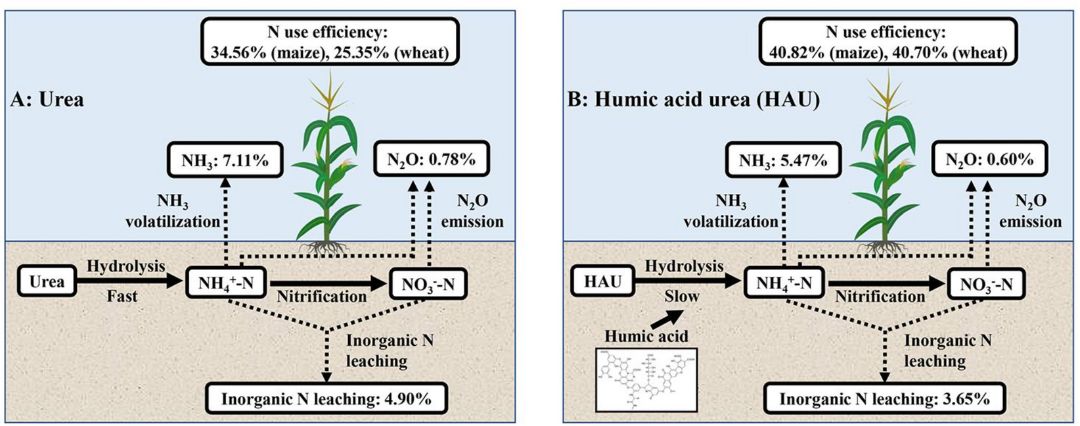
Figure 1-Source https://www.mdpi.com/2077-0472/12/12/1996



Leave a Comment