ONION-WEED (Three cornered Garlic)
Allium triquetrum
Download the PDF

DESCRIPTION
This plant is commonly called ‘onion weed’ in NZ, although there’s also a ‘wild onion’ which is a different species, and a couple of others (e.g. nothoscordum) that are sometimes called onion weeds. But this is by far the most common ‘onion weed’.
Three-cornered garlic is a perennial plant growing from a small bulb that looks remarkably like a little onion. It grows in clumps 200 to 500mm high.
Its leaves are slender, fleshy, drooping and grass-like. When crushed, they have a very strong garlic – or onion – smell. It is this smell that produces milk taint when dairy cows eat the plant (the same occurs with the similar plant wild onion (Allium vineale).
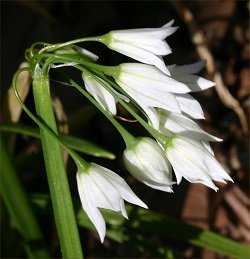
Flowers are snowdrop-style, being white drooping bells with five petals, and about 10-15mm long. The white petals each have a green stripe running down the centreline. Flowers appear on short stalks on one side only of the main flower stem, in clusters of up to 15 flowers. Three-cornered garlic flowers in the spring.
The stems are triangular in cross-section, and very fragile if handled.
The fruit is seeds contained in a light brown seed capsule. This plant spreads both from the seeds and from bulbs. Many small bulbs are produced underground, resulting in the clumping habit of this weed.
Most commonly occurs in gardens and parks, margins of forests and scrubland, as well as roadsides and rubbish dumps. It does get into pastures (hence the milk taint threat), and can be very persistent once it’s established.
Distribution is pretty much NZ-wide.
PHYSICAL CONTROL
Hand pulling is not a practical option. The stems are very easily broken so attempts to hand pull the plant will leave many viable bulbs in the ground.
In small infestations, digging out with a garden fork is feasible, but you’ve got to get all the bulbs out. The removed bulbs don’t rot down, so they can’t be disposed of via composting or mulching: you must bury them in a landfill.
HERBICIDES TO CONTROL ONION WEED
Onion Weed (Three-cornered garlic) flowers in spring, then the whole plant dies back until next spring, or late winter. The best time to spray it will therefore be in early spring when the plant is easily visible and actively growing.
Herbicide Sprays to Kill Onion Weed
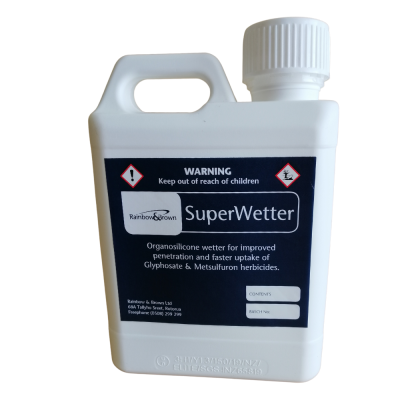
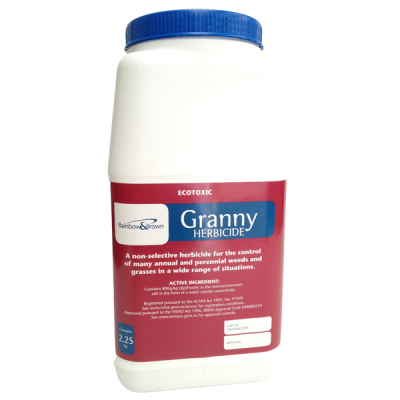
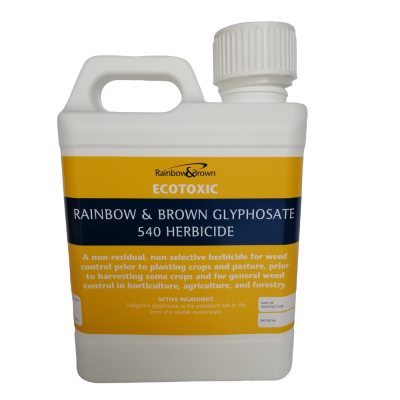
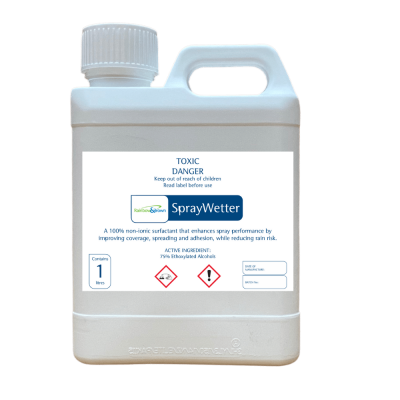
- G-360 GLYPHOSATE – 100ml/10L water, or G-540 GLYPHOSATE – 67ml/10L water, or Granny Herbicide 45g/10L water. Add SprayWetter – 10ml/10L water.
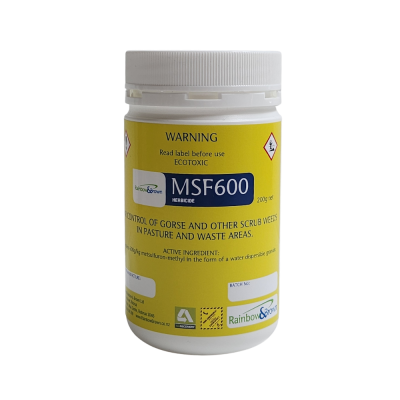
- 10g MSF600 plus 100ml SprayWetter per 100L water is suitable and cost-effective for larger infestations, but is potentially hazardous to adjacent native and ornamental plants (including via soil leaching), so use care or if in doubt go with the G-360 GLYPHOSATE / Granny Herbicide option.
Cut'n'Paste Weedkiller Gels to Kill Onion Weed
- Cut the weed down to about 2cm above a node and dispose of cuttings appropriately.
- Take your bottle of Cut'n'Paste Bamboo Buster, hold it upside down and gently squeeze a layer of Bamboo Buster glyphosate gel onto the whole surface of the cut stem from the edge to the centre.
- Leave it to die off.
- For the best effects paste the Bamboo Buster herbicide gel onto the Bamboo immediately after cutting