
This Blog section is for news about Rainbow & Brown products and their application but especially new products.
11 Sep
Glyphosate Continues to Rise
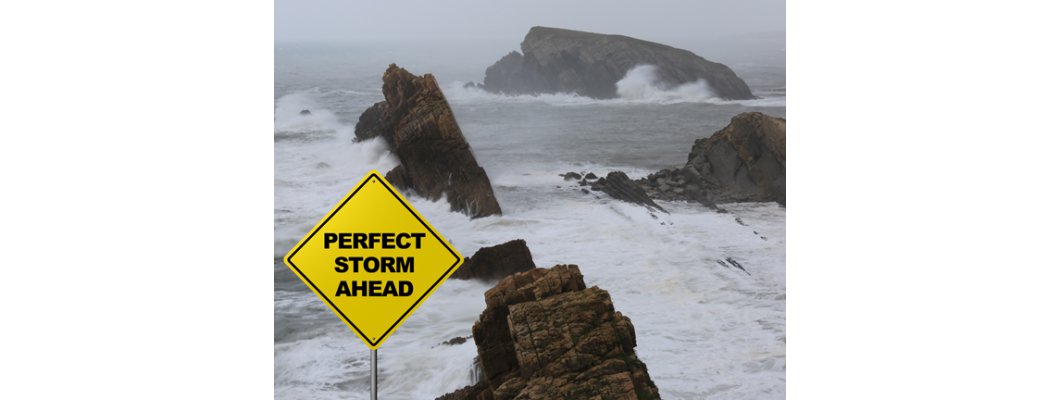
Short supply of raw material and increased production and shipping costs create almost the “perfect storm”!
Increased global demand coupled with China’s Yunnan district have cut power supply by 10-30% resulting in shortages and huge increases in the price of yellow phosphorous which is the main raw material used for glyphosate production.
At a factory level there are no planned capacity increases and this, in part, might be due to the long-term international uncertainly as to where glyphosate fits. In our opinion the scaremongering regarding glyphosate is way over the top for what is a relatively safe herbicide compared to many others being used.
Couple these shortages with increased international demand because of COVID, with people staying at home and working on their gardens and, the huge increases in shipping costs, 600-800% in many cases and this is assuming you can even get product on a boat, and you have the perfect storm.
When will prices start to ease? Anyone’s guess.
26 Oct


0
464
Every NZ farm that uses hazardous substances needs an up-to-date chemical inventory and a current safety data sheet (SDS) for each product, kept where workers and emergency services can get to them. When WorkSafe checked 680 sheep, beef and dairy farms in late 2025, missing SDSs and inventories were behind 94% of the improvement notices issued. B..
08 Oct

0
2128
A wetter helps spray droplets spread across a leaf and stay there, instead of beading up and rolling off before the herbicide gets in. Use a non-ionic wetter for everyday spraying, and step up to an organosilicone wetter for waxy, hairy, dusty or stressed weeds. Always check the herbicide label first, because it tells you whether a wetter is need..
30 Sep

0
3404
Spring is the only time of year a wasp queen is on her own. She's out of hibernation, building a small nest by herself and feeding her first larvae with no workers to back her up. Catch her now and that nest never forms, which means no colony of thousands and no new queens next autumn.
✓Queens are active from early spring, roughly September to..
Leave a Comment