
This Blog section is for news about Rainbow & Brown products and their application but especially new products.
28 Nov
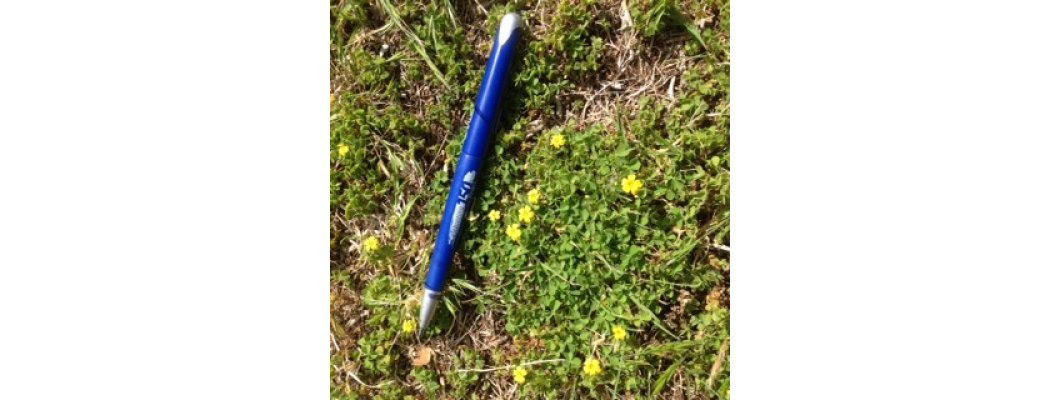
Q.
Hi, I spoke to Rachael a couple of days ago In regards to a coastal weed
I'm having problems getting rid of. I've tried lawn master and banvine,?,
both at optimal spraying times. I hope these photos are enough for you to
work with, I look forward to your reply.
A.
The plant in your pictures is definitely an oxalis species, most probably Oxalis corniculata (horned oxalis).
All of the oxalis species are resistant to many common selective herbicides (incl MCPA, 2,4-D and others), as you have experienced.
We're seldom asked to make recommendations for oxalis (mostly oxalis is a garden weed). So I checked a few other sources to make sure our limited experience matched what other authorities suggest. I normally like the advice of Massey University best, because there’s no influence or bias from any particular brand of herbicides. They suggest triclopyr, which is our product Triclo. It’s apparently by far the most reliable and effective spray for this weed. I’ve had feedback from our customers to support Massey’s preference for triclopyr, and I’ve also been told that the usual hand spraying rate of 6ml/L water was unnecessarily high. Someone (can’t recall who) told me he’d used around 3-4ml/L and had excellent results.
If your oxalis is growing in garden beds, or some other place where spraying a herbicide would be awkward or too risky, there’s also a very specific product called Death To Oxalis, made in or around Tauranga I think, for the garden market. I’ve actually used it myself and it worked fairly well. Probably not practical for larger jobs though.
26 Oct


0
464
Every NZ farm that uses hazardous substances needs an up-to-date chemical inventory and a current safety data sheet (SDS) for each product, kept where workers and emergency services can get to them. When WorkSafe checked 680 sheep, beef and dairy farms in late 2025, missing SDSs and inventories were behind 94% of the improvement notices issued. B..
08 Oct

0
2128
A wetter helps spray droplets spread across a leaf and stay there, instead of beading up and rolling off before the herbicide gets in. Use a non-ionic wetter for everyday spraying, and step up to an organosilicone wetter for waxy, hairy, dusty or stressed weeds. Always check the herbicide label first, because it tells you whether a wetter is need..
30 Sep

0
3404
Spring is the only time of year a wasp queen is on her own. She's out of hibernation, building a small nest by herself and feeding her first larvae with no workers to back her up. Catch her now and that nest never forms, which means no colony of thousands and no new queens next autumn.
✓Queens are active from early spring, roughly September to..
Leave a Comment