Hairy Buttercup
Ranunculus sardous

DESCRIPTION
Unlike the other two well-known buttercups (giant buttercup and creeping buttercup), hairy buttercup is an annual weed. We’ve covered those other two perennial buttercup varieties in a separate Weed File.
Hairy buttercup emerges in the autumn when the pasture is thinning out due to slowing growth and/or grazing pressure and appears in particular in newly (autumn) sown pastures. It then grows through the winter and by the time spring arrives some pastures can be heavily infested with it, with early spring pasture growth consequently inhibited.
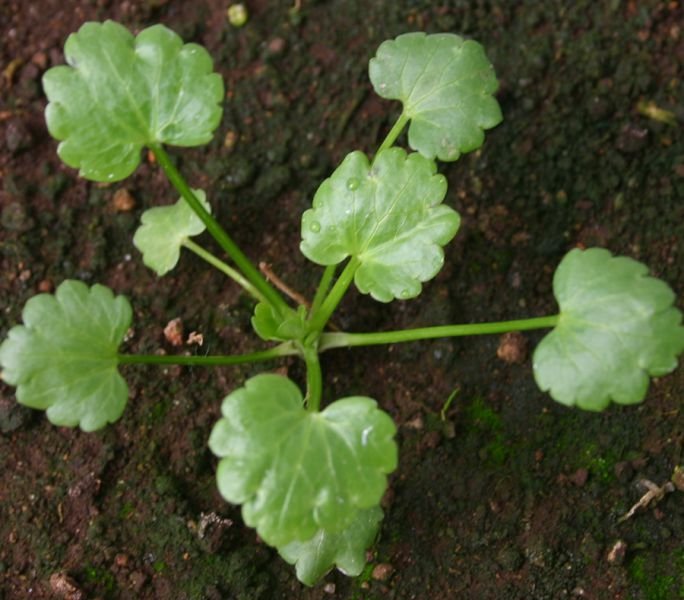
The weed first appears as a small rosette with shiny three-part leaves that become duller and more heavily divided as the rosette spreads and the plant matures. The leaf stalks are hairy and reach about 15cm in length.
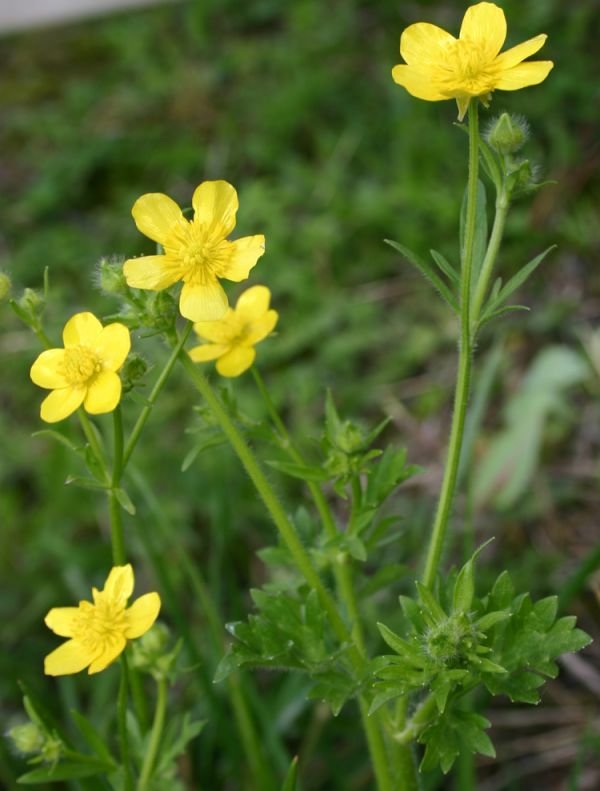
The maturing plant produces thickish, hollow flowering stems growing to about 45cm, and these support the large yellow flowers. The flowers are up to 25mm in diameter and are distinguished from the perennial buttercups by having sepals (the small segmented cup-like structure immediately beneath the petals) that fold sharply backward, away from the flower itself. The sepals of the other buttercups remain up in close proximity to the flower. Flowering is from November to as late as February. The hairy buttercup is a prolific flowerer, and thus produces a lot of seed. So intercepting it before viable seeds have formed is the best approach.

HABITAT
Hairy buttercup is a very common weed of dairy pastures through most of the North Island, and is less common but definitely present in similar South Island locations. It’s also found in drains, beside streams, and in most other damp locations.
Dairy cows tend to avoid eating the leaves due to its containing some substances mildly poisonous to cattle. Sheep are not so affected and will eat the foliage more readily.
MANUAL CONTROL
The root system is fibrous and fairly compact, making even large isolated plants easy to pull out by hand. However, this becomes impractical in most situations, because the hairy buttercup very often appears in quite large numbers.
As an annual species, the hairy buttercup needs to establish from seed during autumn and into winter, so maintaining a dense pasture cover at these times will minimise the germination of hairy buttercup. Of course, that’s a great deal easier said than done! And of course with new pastures, it’s effectively impossible.
HERBICIDES TO CONTROL ANNUAL BUTTERCUP
Spray Herbicides to Kill Hairy Buttercup
Spraying hairy buttercup while it is still a seedling or small rosette is the best bet. Not only will you kill it more readily, but you’ll do so before the plants have produced the next year’s supply of seeds.
- Decision at 50g/Ha, applied before flowering. Decision will not damage clover and is an excellent option for both autumn and spring.
- Rainbow & Brown MCPA750 at 1.5–2.0L/Ha in 200-300L water will give good control of seedlings and smaller rosette plants. Apply as early as possible in spring, once reasonable growth has started. This will temporarily suppress clovers, especially red, subterranean, and suckling clovers.
- Ranger Herbicide at 20g/Ha will give good control over both young and more mature plants. Best control will come from a spring application when the plants are growing actively. This will result in some clover damage and temporary loss of pasture vigour, but it does soon recover.